

Hyderabad edition
Israeli Strikes Kill Three Palestinians in Gaza, Including UNRWA Worker
At least three Palestinians, including a long-serving UNRWA employee reportedly working near a water well, were killed in separate Israeli strikes in Gaza, as attacks continue despite the ceasefire.

Israeli strikes kill three Palestinians in Gaza, including UNRWA water worker
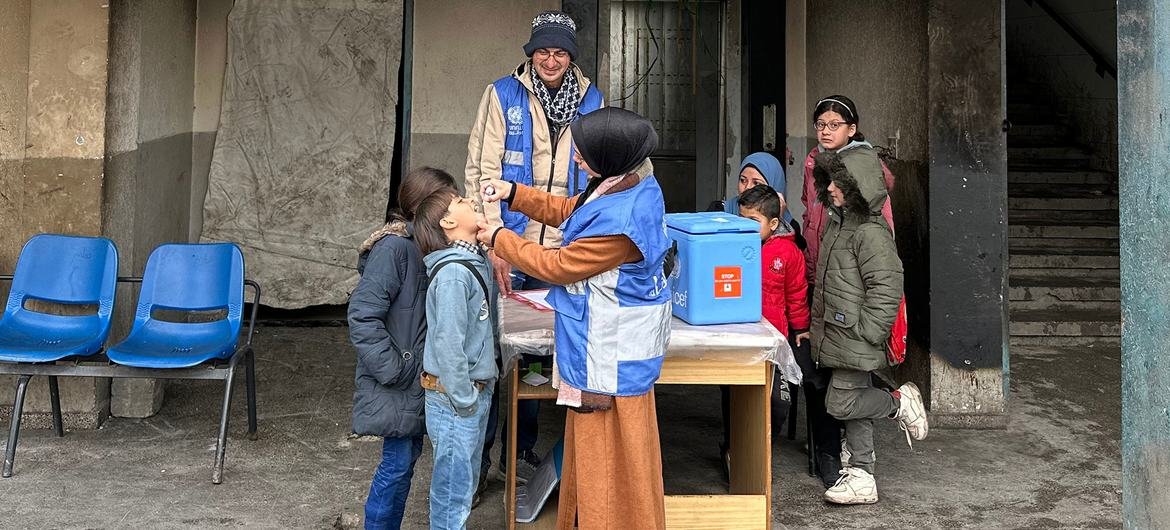
An employee of the United Nations agency for Palestinian refugees was killed while reportedly carrying out water-supply duties in northern Gaza, as a separate strike in Gaza City claimed two more lives.
Published by: Ayesha Habeeb
International News | Gaza, Palestine
At least three Palestinians, including an employee of the United Nations Relief and Works Agency for Palestine Refugees (UNRWA), have been killed in two separate Israeli air strikes in the Gaza Strip, highlighting the continuing dangers facing civilians and humanitarian workers despite the ceasefire.
The first strike took place near a water well in Jabalia refugee camp in northern Gaza, killing Adel al-Helo, an UNRWA employee, and injuring three other people.
Al-Helo was reportedly carrying out duties connected to the operation of the water facility, which supplies residents with essential drinking water. According to his brother, he had worked for UNRWA for approximately 35 years.
The attack has raised renewed concerns over the safety of humanitarian personnel working to maintain essential services in the war-ravaged territory. The circumstances surrounding the strike and the precise target remain subject to investigation.
In a separate incident later on Monday, an Israeli air strike targeted a vehicle in western Gaza City, killing two Palestinians and injuring several others.
The two incidents brought the reported death toll to at least three, with additional people wounded in both attacks.
Humanitarian workers face growing dangers
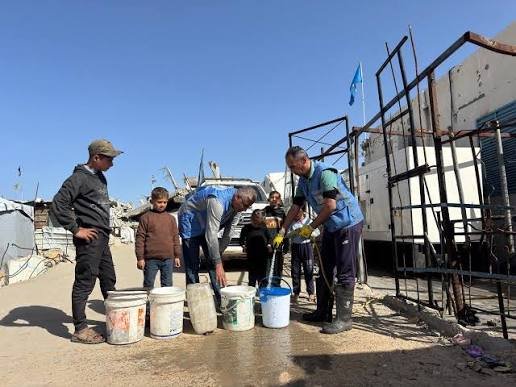
The killing of Al-Helo has drawn attention to the risks faced by humanitarian workers who continue to provide basic services amid widespread destruction and displacement.
UNRWA plays a central role in supporting Palestinian refugees, providing education, healthcare, emergency assistance, water and sanitation services across Gaza.
The operation of water facilities is particularly critical in the territory, where damage to infrastructure and limited access to essential supplies have made clean water increasingly difficult to obtain.
The death of a worker involved in maintaining such services raises further concerns about the protection of humanitarian personnel and the continued functioning of essential civilian infrastructure.
Ceasefire fails to end deadly attacks
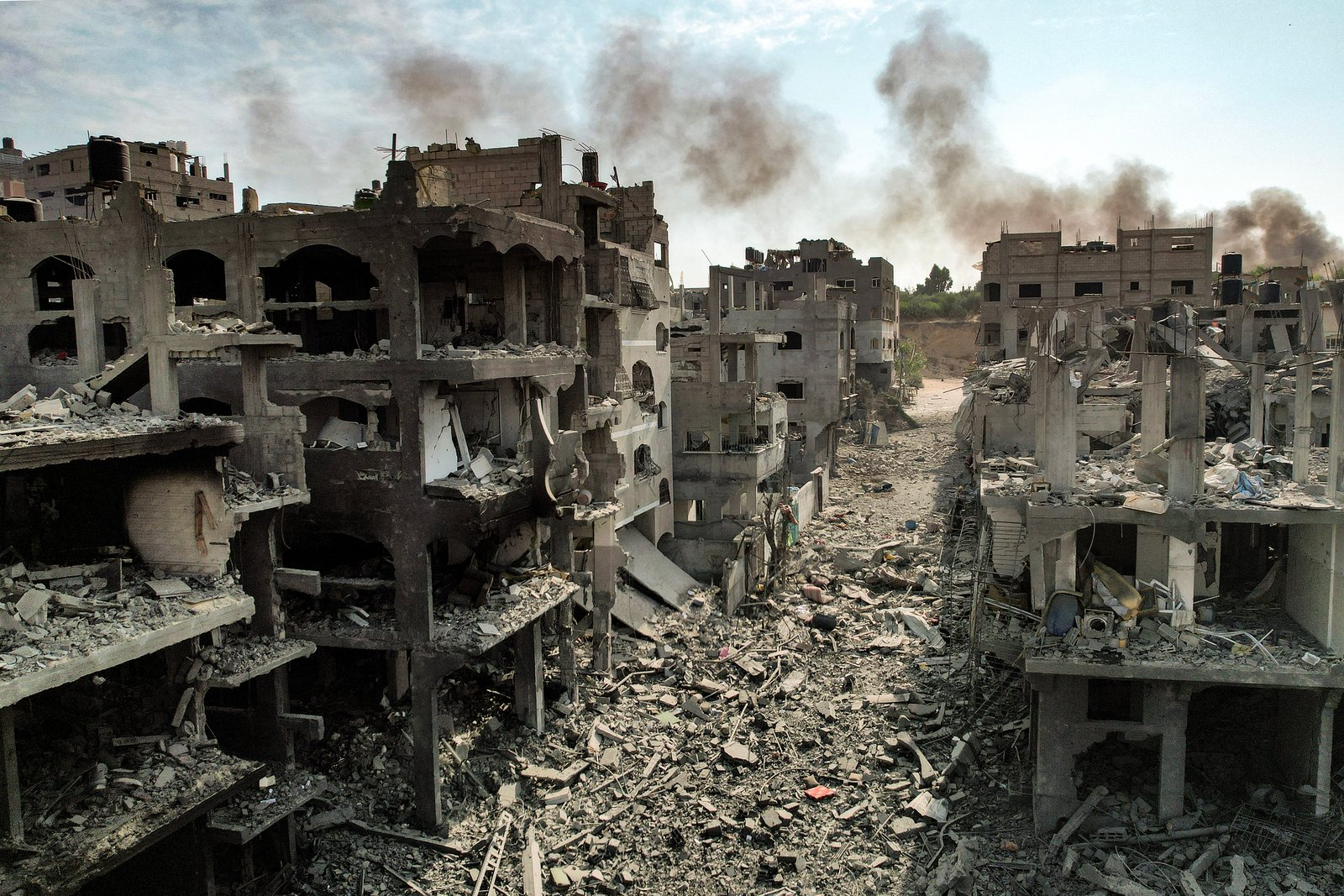
The latest strikes come despite the ceasefire agreement that took effect in October 2025. Although the agreement brought a halt to major fighting, Israeli military operations and deadly incidents have continued across the Gaza Strip.
Casualty figures cited in reports indicate that at least 1,600 Palestinians have been killed since the ceasefire began, alongside five Israeli soldiers, according to the respective Palestinian and Israeli tallies.
The continuing violence has raised questions about the effectiveness of the ceasefire and the safety of civilians living in areas affected by military operations.
Meanwhile, destruction has continued in parts of Gaza close to the so-called Yellow Line, a boundary established under the ceasefire arrangements.
The mayor of Deir el-Balah's Maghazi municipality has reported that more than 500 housing units were destroyed in less than a month, raising further concerns about displacement and the loss of residential infrastructure.
For Gaza's residents, the latest attacks underline the fragile nature of the ceasefire. Even as humanitarian workers attempt to restore basic services and provide essential assistance, civilians continue to face the threat of air strikes, displacement and the destruction of the infrastructure on which their daily lives depend.


