

Hyderabad edition
Gaza's Hearing-Impaired Children Face Worsening Crisis as Israeli Restrictions Choke Medical Supplies
A failed hearing-aid battery can mean months of silence for a child in Gaza. As Israeli restrictions compound shortages of batteries, replacement devices and essential medical equipment, thousands of people with hearing disabilities face mounting barriers to communication, education and basic healthcare. For Gaza's children, the crisis is threatening far more than their ability to hear — it is putting their development, learning and connection to the world at risk.

Gaza's hearing-impaired children face worsening crisis as Israeli restrictions choke medical supplies
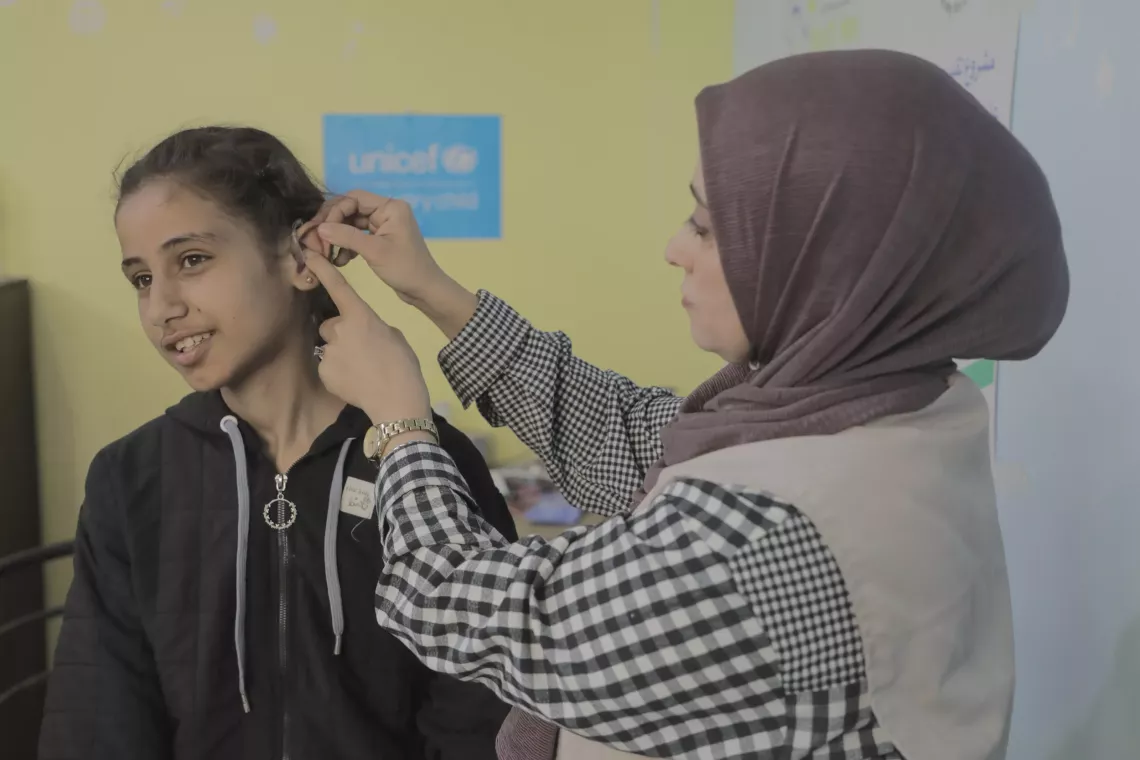
Shortages of hearing-aid batteries, replacement devices and repair equipment are leaving thousands struggling to communicate, while repeated bombardments have increased concerns over war-related hearing loss.
Published by: Ayesha Habeeb
International News | Gaza, Palestine
Twelve-year-old Sultan al-Attar can no longer hear his mother's voice through the hearing aid he once depended on. Four months ago, the device stopped working after its battery failed. Since then, his mother has repeatedly travelled long distances in search of a replacement, only to return empty-handed.
His experience reflects a growing humanitarian crisis in Gaza, where shortages of hearing-aid batteries, medical devices and essential spare parts are leaving people with hearing disabilities without access to basic assistive care.
According to a report published by the Shehab News Agency on Monday, November 23, the shortage has been compounded by Israeli restrictions on the entry of hearing-aid batteries into the Gaza Strip, obstructing efforts by families and humanitarian organisations to obtain essential supplies
The crisis is particularly concerning for children, whose ability to hear plays a critical role in language development, education and communication. For those dependent on hearing aids, the absence of a replacement battery can effectively render an otherwise functional medical device useless.
Thousands face the consequences of hearing-related disabilities
The scale of the crisis extends beyond individual cases. According to Fadi Abed, director of the Atfaluna Society for Deaf Children, preliminary field examinations and assessments indicate that approximately 35,000 people in Gaza are experiencing hearing problems of varying degrees.
Abed cautioned that the figure does not represent a comprehensive population survey or a final diagnostic assessment. However, it provides an indication of the growing need for specialised hearing examinations, medical treatment and rehabilitation services.
The organisation has also warned that repeated exposure to explosions and intense bombardments can damage hearing, potentially leaving people with temporary or permanent hearing impairment.
The figures underline the urgency of the situation. In May 2025, the United Nations Children's Fund (UNICEF) reported that approximately 10,000 children in Gaza were living with hearing loss, including nearly 5,000 with severe hearing impairment.
During the ceasefire period covered by its assessment, UNICEF reported that only 148 hearing aids had entered Gaza — a fraction of the estimated requirement. The agency also highlighted the scarcity of batteries and other essential supplies needed to keep hearing devices operational
Children struggle with education and communication
The shortage is also undermining the education and social development of children with hearing disabilities.
In a separate report published on October 25, 2026, Al Jazeera documented the experience of 13-year-old Kenan al-Sabaa, whose hearing aid had malfunctioned. His device required replacement tubing and a rubber ear mould, while its batteries had also run out.
Before the war, Kenan attended the Atfaluna Society for Deaf Children's specialised educational facility. The lack of replacement components and essential services has made continuing his education increasingly difficult.
Hearing rehabilitation specialist Rana Abu Rabee told Shehab News Agency that interruptions in hearing-aid use can affect children's ability to acquire language, develop pronunciation and follow conversations.
Children who cannot hear classroom instructions may struggle to keep pace with lessons, participate in discussions and interact with classmates. Over time, these difficulties can contribute to social isolation, frustration and reduced confidence.
For younger children, the consequences can be particularly serious because early childhood is a critical period for language acquisition and communication development.
Bombardments add to the growing hearing-loss crisis
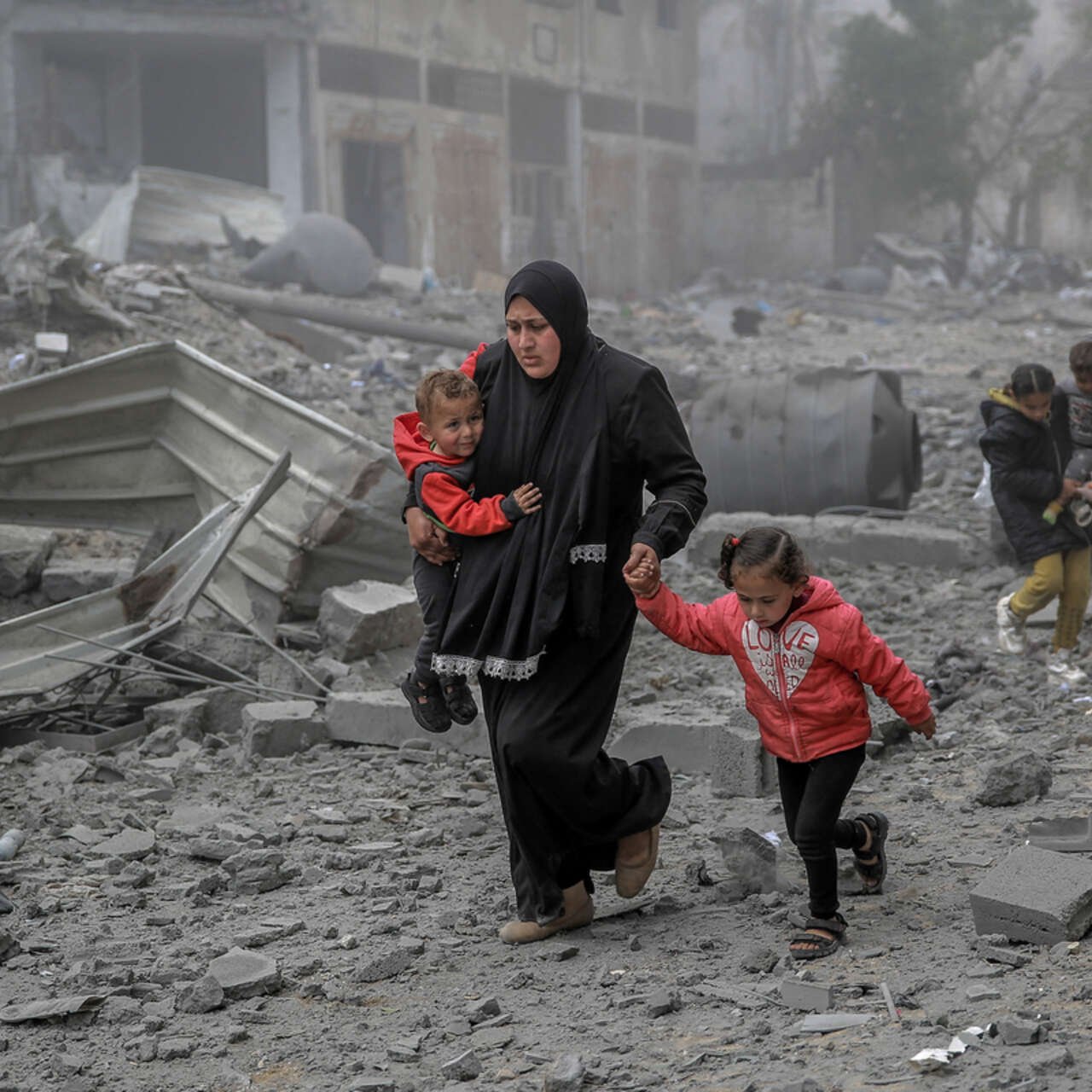
Beyond shortages of medical equipment, the repeated explosions and bombardments across Gaza have raised further concerns about war-related hearing damage.
A separate Al Jazeera report published in June 2026 documented the case of Wateen al-Ajrami, who suffered severe hearing loss after an Israeli strike hit near the building where her family was sheltering in Jabalia.
Medical examinations found approximately 85 percent hearing loss in her left ear and 90 percent in her right ear. She subsequently began auditory and speech rehabilitation and received hearing aids to help her respond to sounds.
The report also highlighted concerns raised by hearing specialists about the growing number of people experiencing hearing difficulties following repeated exposure to explosions.
Restrictions on assistive devices compound humanitarian crisis
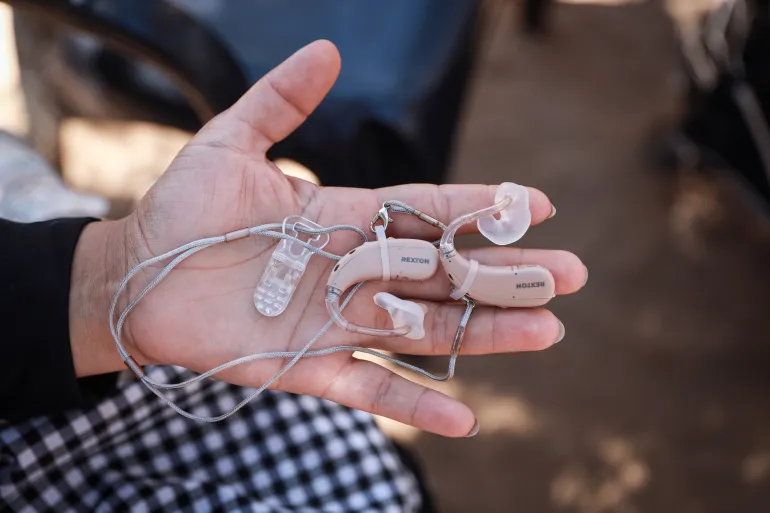
The shortage of hearing-aid supplies is part of a wider problem affecting access to assistive medical equipment in Gaza.
A United Nations humanitarian response report documented restrictions imposed by Israeli authorities on the entry of assistive devices, including wheelchairs, crutches, hearing aids, spare parts and equipment required for repairs.
The report also highlighted the scale of rehabilitation needs among people injured during the conflict, including thousands of children requiring specialised support.
For people with hearing disabilities, access to batteries and replacement components is not simply a matter of convenience. These supplies are essential for maintaining communication, continuing education and responding to their surroundings.
The consequences are particularly severe in a territory where displacement, damaged healthcare infrastructure and limited rehabilitation services have already made access to specialised treatment increasingly difficult.
With families struggling to find even basic replacement batteries, humanitarian organisations and disability advocates are warning that the interruption of hearing support could have lasting consequences for an already vulnerable population.
For children such as Sultan and Kenan, restoring access to a functioning hearing aid is not merely about repairing a medical device. It is about preserving their ability to communicate, learn and remain connected to the world around them.


