

Hyderabad edition
Beyond Freebies: Where Is Telangana’s Public Money Going?
An examination of Telangana’s welfare expenditure, public healthcare, education and social support programmes, raising important questions about government priorities, accountability and whether public spending is translating into lasting improvements in people's lives.

Telangana's Welfare Politics: Are We Building a Better Future or Just Spending for Today?
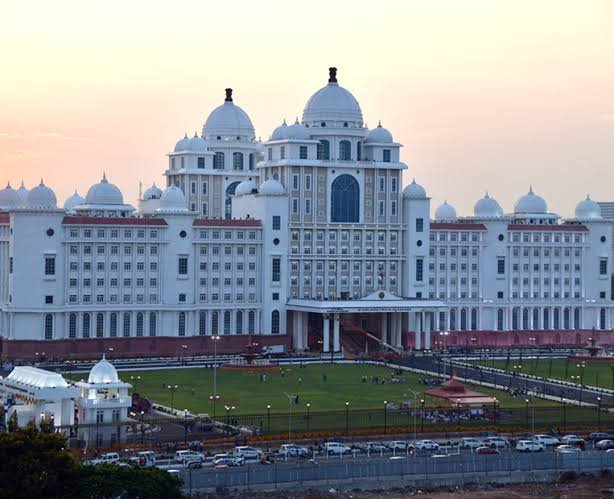
From free schemes and cash transfers to private hospitals, education and public infrastructure, an examination of Telangana's spending priorities and the reforms needed for a stronger economy.
SPECIAL POLICY INVESTIGATION | MEEM TV NETWORK
Report by: Habeeb Omer & Dr. Mohammad Wajid
Published by: Ayesha Habeeb
Introduction: What Is the Real Cost of Political Promises?
Every election brings a new set of promises. Free transport, financial assistance, subsidies, cash transfers and welfare schemes have become important parts of Telangana's political landscape.
Different political parties compete to offer more benefits, hoping to attract voters and demonstrate their commitment to public welfare.
But there is a bigger question that deserves public attention:
Are these schemes actually solving people's problems, or are they only providing temporary relief while the larger problems remain untouched?
Financial assistance can help a struggling family today. Free transport can reduce the daily expenses of women. Agricultural support can provide relief to farmers.
But what happens tomorrow?
Are we creating better government schools, stronger public hospitals, more employment opportunities and reliable public infrastructure? Or are we spending more on temporary benefits while the foundations of the state's economy remain weak?
Based on the economic arguments and policy proposals presented by Dr. Mohammad Wajid, an independent candidate for the Hyderabad–Ranga Reddy–Mahbubnagar Graduate MLC constituency, this report examines Telangana's welfare spending, public finances and governance priorities.
The objective is not to question the need for welfare. It is to ask whether public money is being used in the most effective and sustainable way.
1. The Politics of Free Schemes: Relief Today, But What About Tomorrow?
In Telangana, welfare schemes have increasingly become a major part of political competition.
Governments announce financial assistance and subsidies to reduce the burden on ordinary families. However, when schemes are introduced without properly examining their long-term costs and economic impact, they can create new problems.
Mahalakshmi Scheme: Relief for Women, But What About Transport Workers?
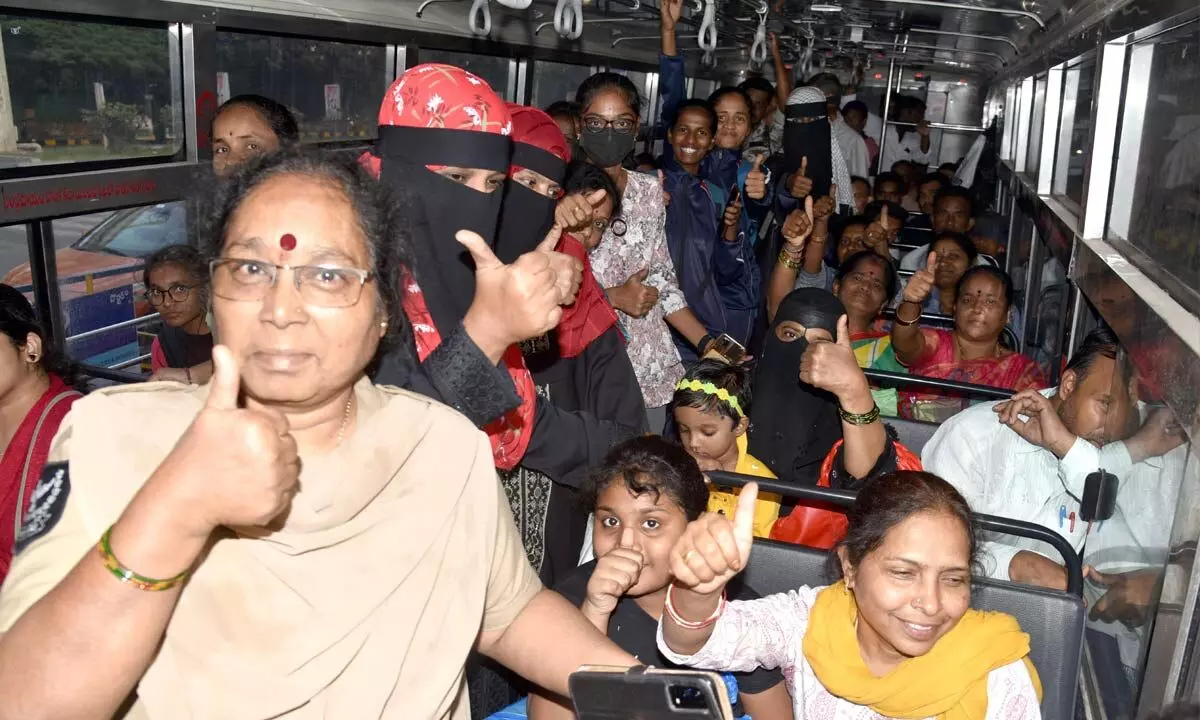
The Mahalakshmi scheme provides free bus travel for women in Telangana.
For many women, this has been a significant financial relief. It has reduced daily travel expenses and improved access to education, employment and other essential services.
However, another side of the issue needs attention.
Private auto-rickshaw and taxi drivers, particularly those who depend on daily passengers for their livelihood, have raised concerns about declining earnings.
Many small transport operators have purchased their vehicles through loans and monthly EMIs. A reduction in passenger demand can put considerable pressure on these families.
According to the economic assessment presented by Dr. Wajid, some operators have reported substantial losses, with earnings falling by more than 75% in certain cases. This figure requires independent verification through a wider survey of transport workers.
The important question is:
Can a welfare scheme benefit one section of society without completely ignoring the economic difficulties of another?
The government should examine the impact of these policies on small transport operators and explore ways to protect their livelihoods.
Welfare should improve people's lives, not create another vulnerable section of society.
Kalyana Lakshmi and Shaadi Mubarak: Is Financial Assistance Enough?

Marriage assistance schemes such as Kalyana Lakshmi and Shaadi Mubarak provide financial support to eligible families.
For economically weaker households, this assistance can be valuable.
However, financial support alone cannot solve the deeper problems associated with marriage expenses.
Dowry demands, expensive wedding celebrations and social pressure often force families into debt.
Instead of depending only on financial assistance, the government should also focus on:
- Strict enforcement of anti-dowry laws.
- Public awareness against extravagant wedding expenditure.
- Affordable government-maintained community marriage halls.
- Financial literacy and support for economically weaker families.
The objective should be to reduce the financial burden of marriage itself, rather than repeatedly compensating families for expenses created by social pressure.
2. Agriculture: Are We Supporting the Farmer or Just the Landowner?
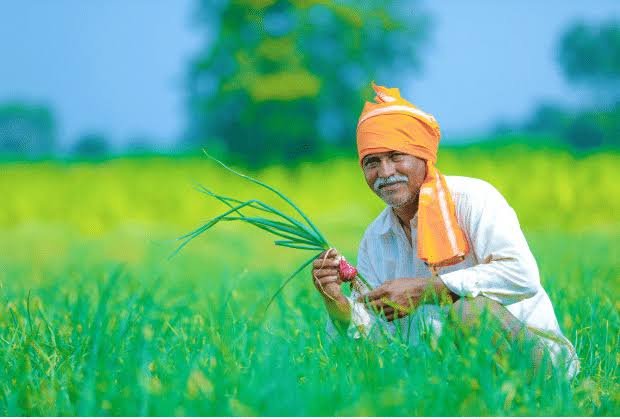
Agriculture is one of the most important sectors of Telangana's economy.
However, an important distinction often gets overlooked in agricultural welfare policies:
Owning agricultural land and actually cultivating it are not always the same thing.
Rythu Bharosa: The Tenant Farmer Problem
Rythu Bharosa is intended to provide financial support to the agricultural sector.
However, land-based assistance creates a major question about tenant farmers.
A tenant farmer cultivates someone else's land, pays rent to the landowner and takes responsibility for the agricultural work and associated risks.
Yet, when benefits are primarily linked to land ownership records, actual cultivators may struggle to receive the same support.
Consider this example:
A landowner owns five acres but does not personally cultivate the land. A tenant farmer rents those five acres, purchases seeds, arranges labour and works throughout the agricultural season.
If financial assistance goes only to the registered landowner, the person actually cultivating the land may remain without direct support.
This creates a gap between the person receiving assistance and the person doing the agricultural work.
The government should develop a transparent system to identify genuine tenant farmers and ensure that eligible cultivators are not excluded.
Rythu Bima: Transparency and Verification Matter
Rythu Bima provides financial protection to eligible farmers through life insurance coverage.
The scheme is intended to provide financial security to farming families after the death of an eligible farmer.
However, Dr. Wajid's assessment raises questions about the total insurance premiums paid, the number of claims and the accuracy of beneficiary records.
These figures should be examined through official records.
The government should publish clear information about:
- Total insurance premiums paid.
- Number of registered beneficiaries.
- Number of claims received and settled.
- Reasons for rejected claims.
- Accuracy of beneficiary and land records.
Public money requires public transparency.
Agricultural insurance must reach the families it is intended to protect, and every rupee spent should be properly accounted for.
3. Private Hospitals and Colleges: Why Are Public Funds Flowing Outside Government Institutions?
One of the biggest questions in Telangana's public expenditure model concerns education and healthcare.
The government spends substantial amounts on schemes that reimburse private educational institutions and hospitals.
These schemes provide important access to services for people who cannot afford them independently.
However, another question must be asked:
Why does the government continue spending large amounts on private institutions when its own schools and hospitals still require major improvements?
Fee Reimbursement: Supporting Students or Strengthening Private Colleges?
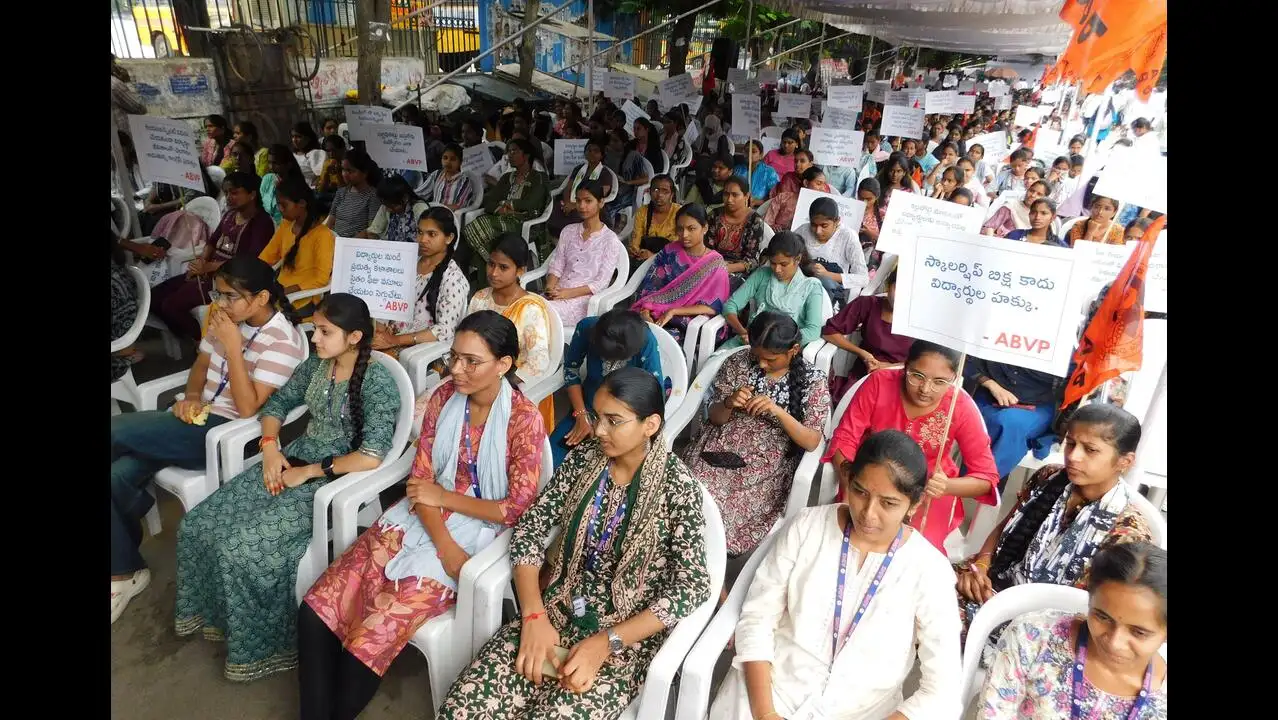
The Fee Reimbursement Scheme helps eligible students from economically weaker backgrounds pursue higher education.
For many families, this assistance is essential.
But the long-term structure of the scheme deserves examination.
When a large share of public education spending goes towards payments to private colleges, the government must also ensure that public educational institutions receive sufficient investment.
What about government engineering colleges?
What about government degree colleges?
What about rural students who cannot access quality education because their local institutions lack teachers, laboratories and basic facilities?
The government should not merely help students enter private institutions. It should also build public institutions capable of providing equally good education.
Dr. Wajid argues that the large cumulative expenditure on fee reimbursement could have been used to strengthen government colleges and universities.
This deserves a serious policy debate.
Aarogyasri: Healthcare Through Reimbursement or Healthcare Through Public Infrastructure?
Aarogyasri provides financial protection to eligible patients by covering specified medical treatments through participating hospitals.
It has helped many families access treatment that would otherwise be unaffordable.
But a healthcare system cannot depend entirely on paying private hospitals to treat patients.
Government hospitals need investment in:
- Modern medical equipment.
- Qualified doctors and nursing staff.
- Diagnostic laboratories.
- Intensive care units.
- Emergency services.
- Multi-specialty treatment facilities.
The government must also ensure proper billing, treatment verification and transparent auditing of hospital claims.
The long-term objective should be to strengthen public hospitals so that every citizen can access quality healthcare without depending entirely on private institutions.
A welfare scheme can pay for treatment, but a strong public hospital system can make quality treatment accessible to everyone.
4. The Neglected Foundations: Schools, Teachers and Public Infrastructure
While welfare schemes receive considerable political attention, the condition of basic public infrastructure deserves equal importance.
Government Schools: Can One Teacher Educate Five Classes?
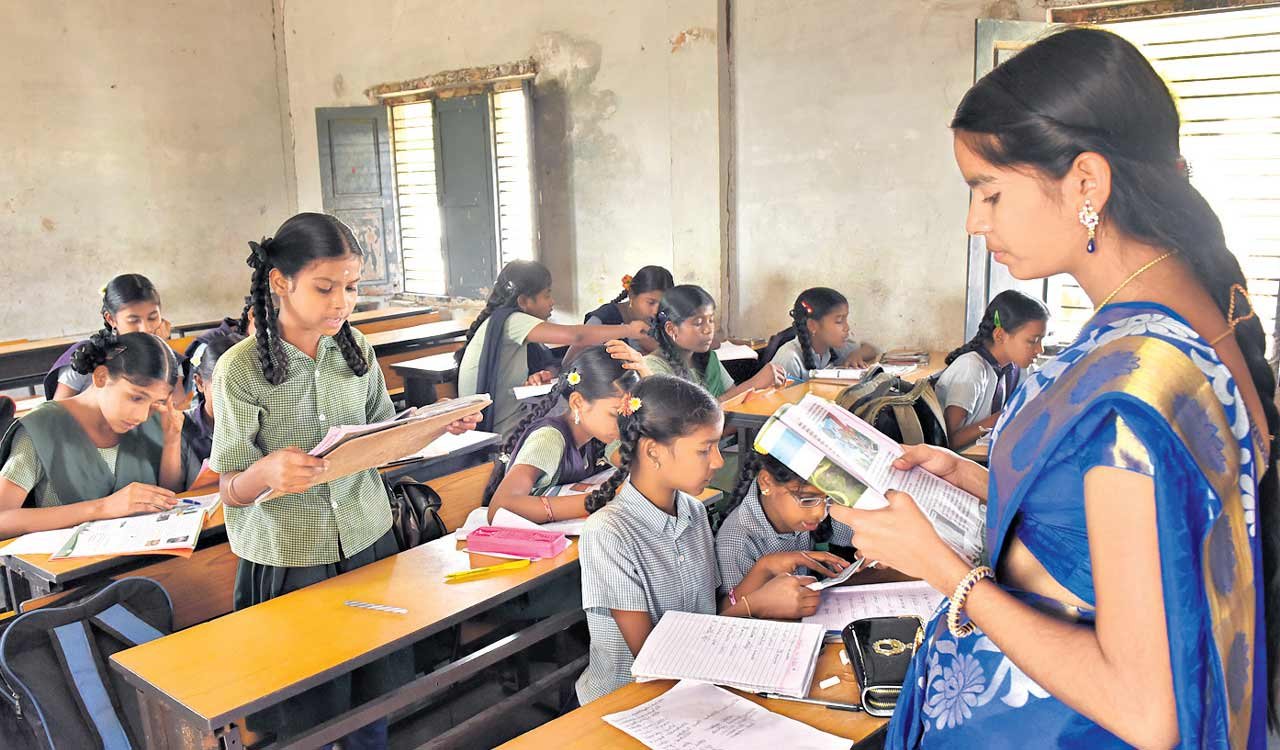
According to the figures cited in Dr. Wajid's assessment, more than 5,000 primary schools in Telangana reportedly operate with only one teacher.
If this figure is confirmed, it represents a serious challenge for public education.
Imagine one teacher managing five different classes, from Class 1 to Class 5, simultaneously.
How can that teacher provide individual attention to every child?
How can students receive proper guidance in mathematics, science, languages and other subjects?
How can a child from a rural government school compete with students who have access to better facilities and more teachers?
Education is not simply about opening schools or announcing scholarships.
It requires sufficient teachers, proper classrooms, libraries, laboratories, digital resources and a strong learning environment.
How Much Should Telangana Spend on Education?
Dr. Wajid argues that Telangana should significantly increase its education spending.
His proposed target is to move towards 20–25% of the state budget for education.
This is a policy proposal rather than an established national spending requirement. Any such target must be evaluated against actual budget figures, available resources and competing public needs.
But the larger argument is important:
Education should be treated as a long-term investment, not merely another government expense.
A child who receives quality education today has a better chance of finding employment, becoming financially independent and contributing to the state's economy tomorrow.
5. Waqf Properties and Public Assets: Protecting Wealth Meant for Future Generations
Another important issue raised in Dr. Wajid's policy arguments concerns the use and protection of public and institutional properties.
Waqf properties are endowed assets dedicated to religious, charitable and community purposes under applicable law.
They are not ordinary government-owned commercial properties.
Their management, protection and use must follow the relevant legal framework and the purpose of the endowment.
The Rayadurg land issue, involving a reported 10-acre Waqf property and a figure of ₹2,889 crore, raises questions about the legal status, valuation, transaction and use of the land.
These details must be independently verified through official records and relevant legal documents before drawing conclusions about the transaction.
The broader question, however, remains important:
How can institutional and public assets be protected from misuse, unauthorised transfers and decisions that undermine their original purpose?
Such properties should be managed transparently, with proper legal safeguards and accountability.
Assets intended for long-term public and community benefit must not be treated as convenient sources of short-term revenue.
6. Dr. Mohammad Wajid's Proposed Governance Reforms
After highlighting these problems, Dr. Mohammad Wajid proposes a different approach to public spending.
His central argument is that governments should move away from excessive dependence on short-term financial assistance and focus more on creating permanent public infrastructure.
The following are the major reforms he advocates.
1. Strong Government Education for Every Child
Instead of allowing the quality of education to depend on a family's financial position, the government should build a strong and unified public education system.
His proposal includes bringing schools under a standardised CBSE-based curriculum and expanding government control and investment in education.
The idea is to reduce the gap between private and government schools.
A student's future should not depend on whether their parents can afford an expensive private school.
The proposal also calls for creating more stable teaching jobs and improving employment conditions for educators.
However, acquiring private schools and bringing their staff into government service would require substantial financial, legal and administrative planning.
2. Build Strong Government Hospitals
Rather than relying excessively on reimbursements to private hospitals, the state should invest more in its own healthcare infrastructure.
Every district should have access to properly equipped government hospitals, diagnostic centres and specialist medical services.
Government hospitals must be capable of providing quality treatment without forcing poor families to depend on private healthcare.
The goal should be a public healthcare system that is accessible, reliable and properly funded.
3. Protect Waqf and Other Public Assets
Institutional properties should receive strong legal protection.
Transparent property records, independent audits and strict action against illegal occupation or unauthorised transfers are essential.
Public and charitable assets should be preserved for the purposes for which they were established.
4. Work Towards Zero Unemployment
Unemployment cannot be solved through temporary announcements alone.
It requires long-term investment in education, skill development, public institutions, manufacturing and employment-generating infrastructure.
The government should create a measurable employment strategy that focuses on:
- Expanding stable public-sector employment.
- Supporting small businesses and local industries.
- Improving vocational and technical education.
- Connecting graduates with actual employment opportunities.
- Encouraging investment that creates sustainable jobs.
The target should be to steadily reduce unemployment through permanent economic opportunities.
5. Work Towards Zero-Accident Roads
Road accidents are another major public concern.
Rather than limiting the response to fines and compensation after accidents, the government should focus on preventing them.
This requires better road engineering, pedestrian facilities, traffic management, street lighting, public transport planning and strict enforcement of road safety rules.
The aim should be to create safer roads and reduce preventable deaths.
7. What Should Telangana's Development Priorities Look Like?
The larger debate is not about choosing between welfare and development.
A responsible government must provide immediate support to vulnerable families while also investing in the future.
The two must work together.
| Current challenge | Long-term governance priority |
|---|---|
| Dependence on recurring financial assistance | Sustainable employment and economic opportunities |
| Unequal school facilities | Strong, quality government education |
| Dependence on private hospitals | Better government hospitals and diagnostic centres |
| Tenant farmers missing out on benefits | Fair support for actual cultivators |
| Financial opacity | Transparent public expenditure and independent audits |
| Underused public assets | Protection and responsible management |
| Road accidents | Safer roads and preventive traffic planning |
The real measure of governance should be whether people's dependence on financial assistance gradually decreases because their access to education, employment, healthcare and economic opportunities improves.
Conclusion: Don't Just Distribute Money. Build a Future.
Welfare is necessary. Financial assistance is necessary. Government support for poor families, farmers, women and students is necessary.
But welfare alone cannot become the entire development strategy of a state.
A government must think beyond the next election and invest in the next generation.
It must build schools where children receive quality education, hospitals where patients receive reliable treatment, an agricultural system that supports actual cultivators, and an economy that creates meaningful employment.
Public money belongs to the people. Its purpose should be to improve their lives, strengthen public institutions and create opportunities for future generations.
The question Telangana must ask is not simply how much money its government distributes every year.
The question is:
What permanent change does that money create in the lives of its people?
Because a strong state is not built merely by distributing benefits. It is built by creating an environment in which people can live with dignity, access opportunities and secure a better future without remaining dependent on government assistance.
The objective of governance should not be to make people permanently dependent on schemes. It should be to make them economically independent through education, employment, healthcare and equal opportunities.
MEEM TV NETWORK
Understanding Public Policy. Questioning Governance. Exploring Solutions.
Policy perspectives: Dr. Mohammad Wajid
Independent Candidate – Hyderabad–Ranga Reddy–Mahbubnagar Graduate MLC Constituency
Editorial note: Financial figures and policy claims in this report are based on the material and arguments supplied for this article. Scheme allocations, cumulative expenditure, beneficiary statistics, land transactions and employment estimates should be checked against official government records and independent evidence before publication. The proposed reforms represent policy suggestions, not implemented government decisions.


