

Hyderabad edition
Darulshifa UPHC in Ruins: Inside Hyderabad's Crumbling Public Healthcare System
A crumbling roof, exposed electrical wiring, non-functional equipment and deteriorating sanitation facilities paint a disturbing picture of the Darulshifa Urban Primary Health Centre in Hyderabad. Despite substantial public healthcare allocations and ambitious political promises, this historic Nizam-era facility remains in a state of severe neglect. An on-ground investigation by Meem TV examines the infrastructure crisis, questions institutional accountability and calls for urgent intervention from state, parliamentary and municipal authorities.

A Hospital in Ruins, Promises on the Wall: Who Is Accountable for Darulshifa UPHC?
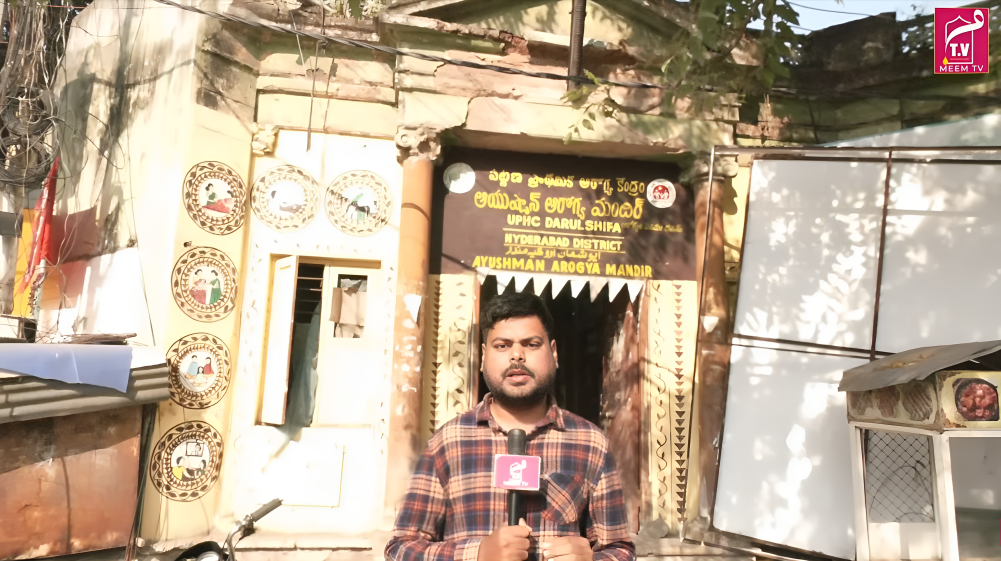
Inside Hyderabad's neglected public health centre, crumbling infrastructure, broken equipment and unsafe conditions raise serious questions about governance and public accountability.
SPECIAL INVESTIGATIVE REPORT | MEEM TV NETWORKGround Report by: Sayed Safdar Ali Moosavi
Ground Report by: Sayed Safdar Ali Moosavi
Published by : Ayesha Habeeb
The Promise Outside. The Reality Inside.
In the historic Darulshifa neighbourhood of Hyderabad, a disturbing contradiction stands before the public eye.
Outside the local Urban Primary Health Centre (UPHC), which also functions as an Ayushman Arogya Mandir and urban wellness centre, political campaign posters featuring Hyderabad Member of Parliament Asaduddin Owaisi and Charminar MLA Mir Zulfeqar Ali carry an ambitious message:
"Together We Can Build Better India."
But step inside the healthcare facility, and the picture changes dramatically.
Behind these promises stands a deteriorating Nizam-era structure, where crumbling ceilings, damaged walls, exposed electrical wiring and non-functional equipment raise serious concerns about the safety and quality of public healthcare.
An on ground investigation by Meem TV reporter Syed Safdar Ali Mosavi, accompanied by cameraman Syed Ali, reveals a facility struggling with basic infrastructure and maintenance problems.
The situation is particularly concerning for pregnant women, mothers bringing infants for immunisation, patients seeking diagnostic services and healthcare workers expected to operate under these conditions.
This raises a fundamental question: How can a public healthcare facility protect people's health when its own infrastructure appears to be putting them at risk?
1. Inside Darulshifa UPHC: A Facility in Distress
The physical condition of the health centre reveals problems across several essential areas.
A. Crumbling Ceilings and Damaged Walls
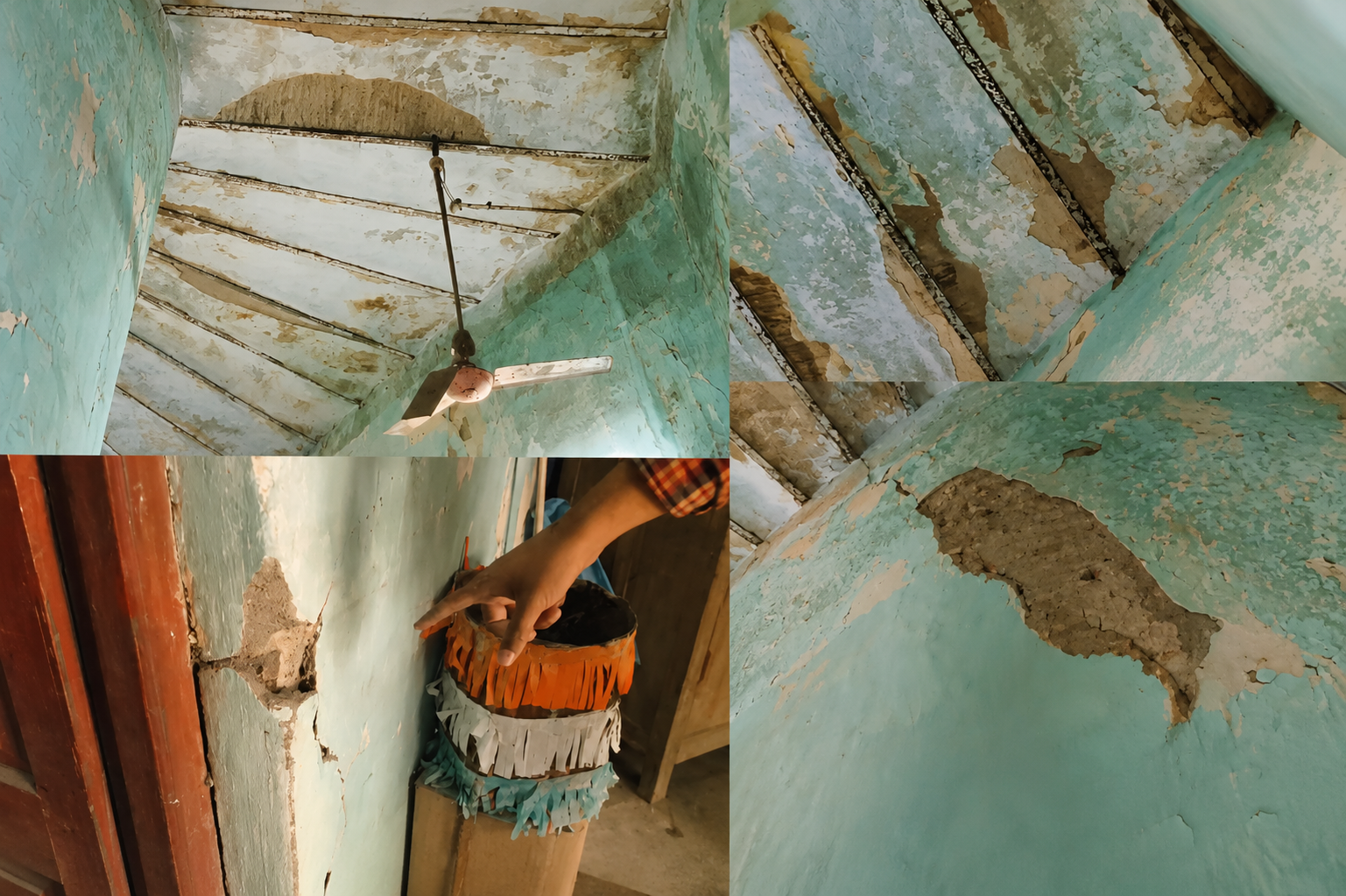
The building's interior shows extensive deterioration, including peeling plaster, visible cracks, water stains and exposed iron reinforcement bars.
Parts of the ceiling have reportedly begun shedding concrete fragments, while water seepage has further weakened the building's interior.
For mothers visiting with infants for routine vaccinations, these conditions create an alarming environment.
A healthcare centre should offer patients safety and reassurance. Instead, the reported condition of this facility raises concerns about the possibility of falling plaster and further structural deterioration.
An immediate engineering inspection is essential to establish whether the building is structurally safe for continued use.
B. Electrical Hazards and Broken Ceiling Fans
Basic ventilation and electrical facilities are also reportedly in poor condition.
According to the field assessment, only one ceiling fan remains operational across the facility, while several others have damaged or bent blades.
Exposed and loosely hanging electrical wiring adds another layer of concern.
In an area where electrical safety is particularly important, allowing damaged wiring to remain unattended creates an avoidable risk of short circuits and fire.
The authorities must arrange a complete electrical safety inspection, replace unsafe wiring and restore proper ventilation.
C. The Condition of the Labour Room
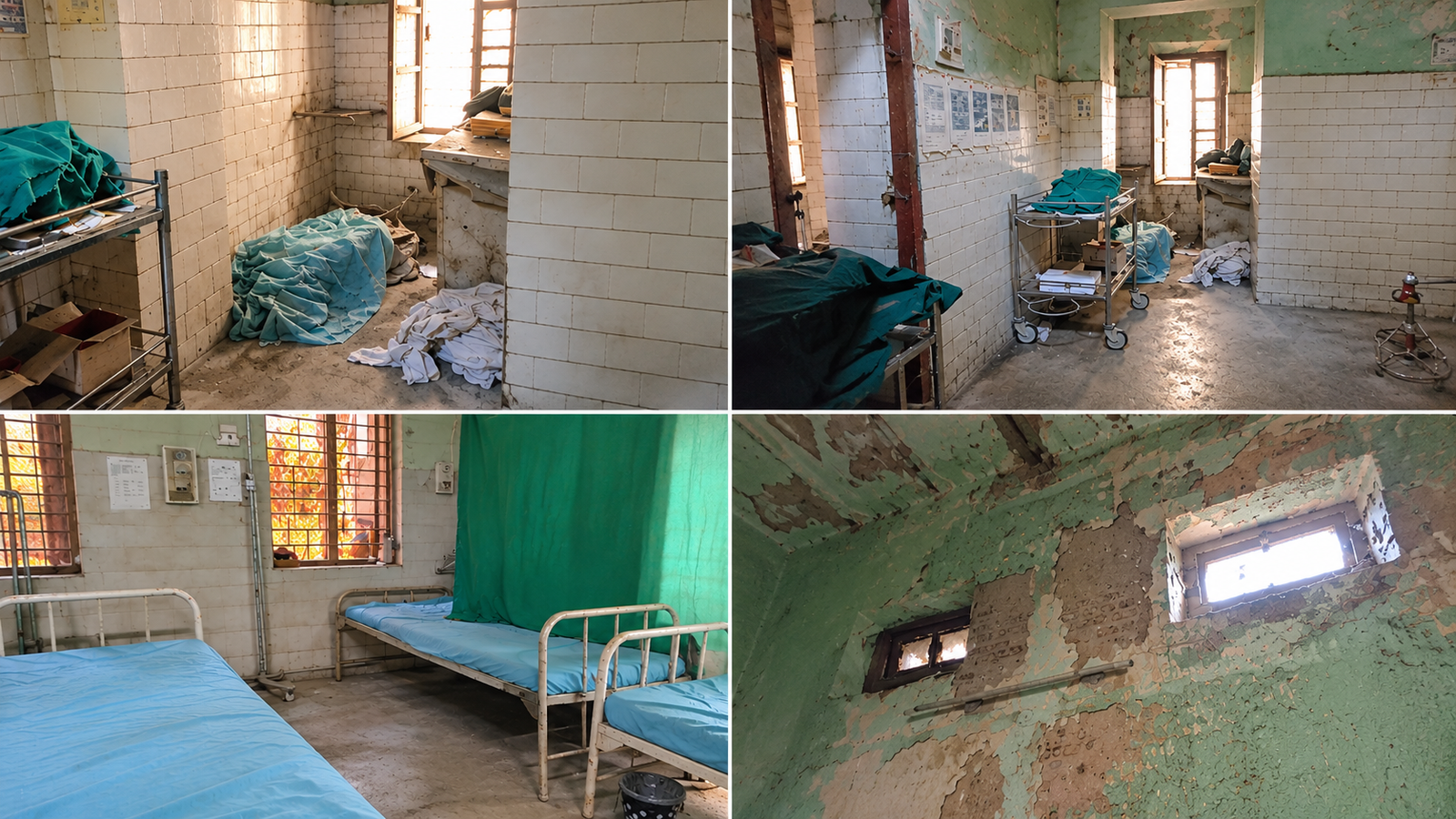
Perhaps one of the most concerning findings involves the labour and delivery room.
A facility intended to provide care to pregnant women reportedly has a non-functional ceiling fan, damaged overhead structures and only one working tube light.
A room meant for childbirth must meet basic standards of cleanliness, lighting, ventilation and structural safety.
Its present reported condition raises serious questions about whether it can provide the environment that mothers deserve during one of the most critical moments of their lives.
D. Digital Infrastructure That Cannot Deliver
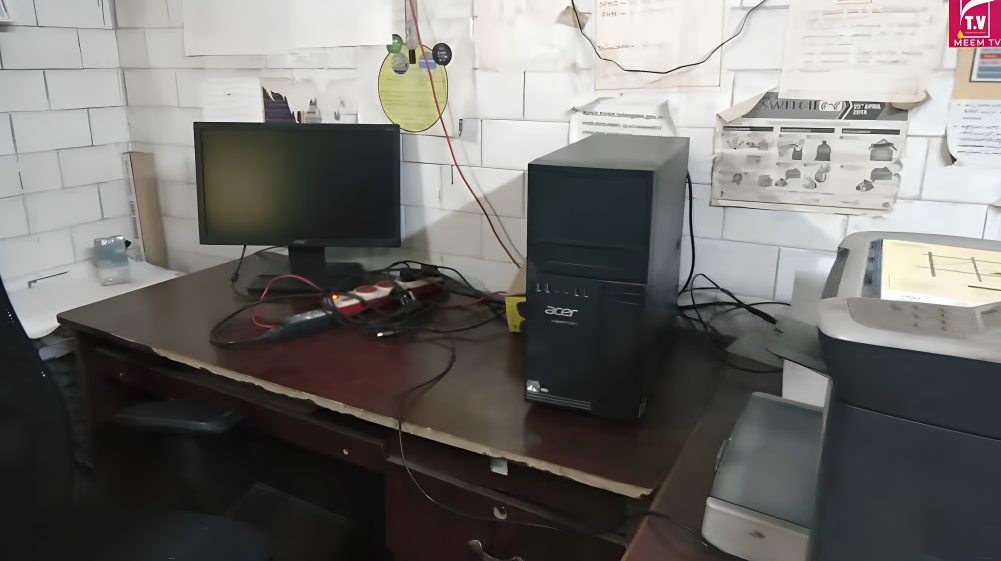
The problems are not limited to the building.
The investigation also found that computer workstations used by the healthcare staff were reportedly non-functional, despite an active internet connection.
This creates difficulties in processing and printing diagnostic reports and managing digital health records.
In an era when public healthcare is increasingly dependent on digital systems, a functioning internet connection means little if the hardware required to use it remains out of service.
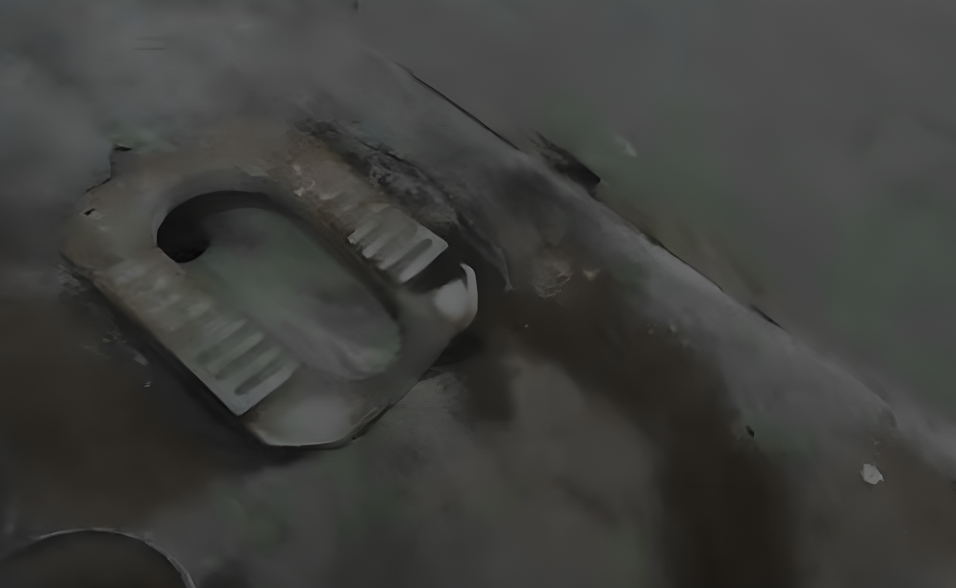
E. Unhygienic Washrooms and Sanitation Problems
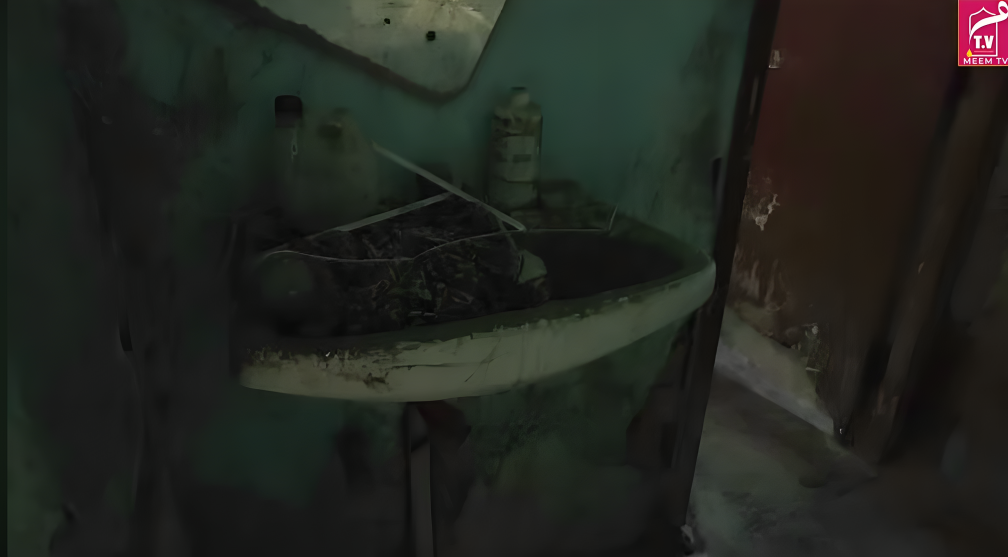
The condition of the washroom raises further concerns.
Reported deficiencies include a broken washbasin, a missing mirror, leaking ceilings and unhygienic surroundings.
The facility is also reportedly experiencing mosquito infestation across clinical areas.
These conditions are particularly concerning for pregnant women visiting the centre for medical check-ups and diagnostic sample collection.
Clean and functional sanitation facilities are not optional additions to a hospital. They are an essential part of safe healthcare.
The Financial Contradiction: Where Are the Healthcare Funds Going?
The condition of Darulshifa UPHC becomes even more concerning when viewed against the larger financial commitments made towards public healthcare.
Telangana's annual health budget is cited in this report at approximately ₹13,680 crore.
In addition, several central and state funding mechanisms are intended to strengthen healthcare infrastructure, including the National Health Mission (NHM), 15th Finance Commission grants and urban wellness centre initiatives.
These funding channels are designed to support public health delivery, infrastructure development, maintenance and improved access to primary healthcare.
Yet the condition of Darulshifa raises an important question:
If public healthcare receives substantial budgetary allocations, why are essential facilities still struggling with basic infrastructure?
The role of elected representatives
Beyond departmental budgets, elected representatives also have mechanisms through which eligible local development works can be supported.
Under the Member of Parliament Local Area Development Scheme (MPLADS), MPs have an annual entitlement of ₹5 crore for eligible development projects, subject to scheme guidelines and approval procedures.
Hyderabad MP Asaduddin Owaisi can examine whether eligible MPLADS support could be directed towards necessary infrastructure improvements at this healthcare facility.
Similarly, Charminar MLA Mir Zulfeqar Ali should examine the availability of eligible MLALAD resources and coordinate with the relevant departments to address the facility's urgent requirements.
However, the key issue is not simply how much money is allocated at the state or national level.
It is whether the funds intended for public welfare are reaching the facilities and communities that need them.
The authorities must disclose the sanctioned amounts, actual releases, expenditure records and pending maintenance proposals relating to this centre.
Who Is Responsible? The Accountability Roadmap
The deteriorating condition of Darulshifa UPHC cannot be addressed through occasional inspections or temporary assurances.
It requires coordinated intervention from the state government, elected representatives and district and municipal authorities.
Telangana Health Department
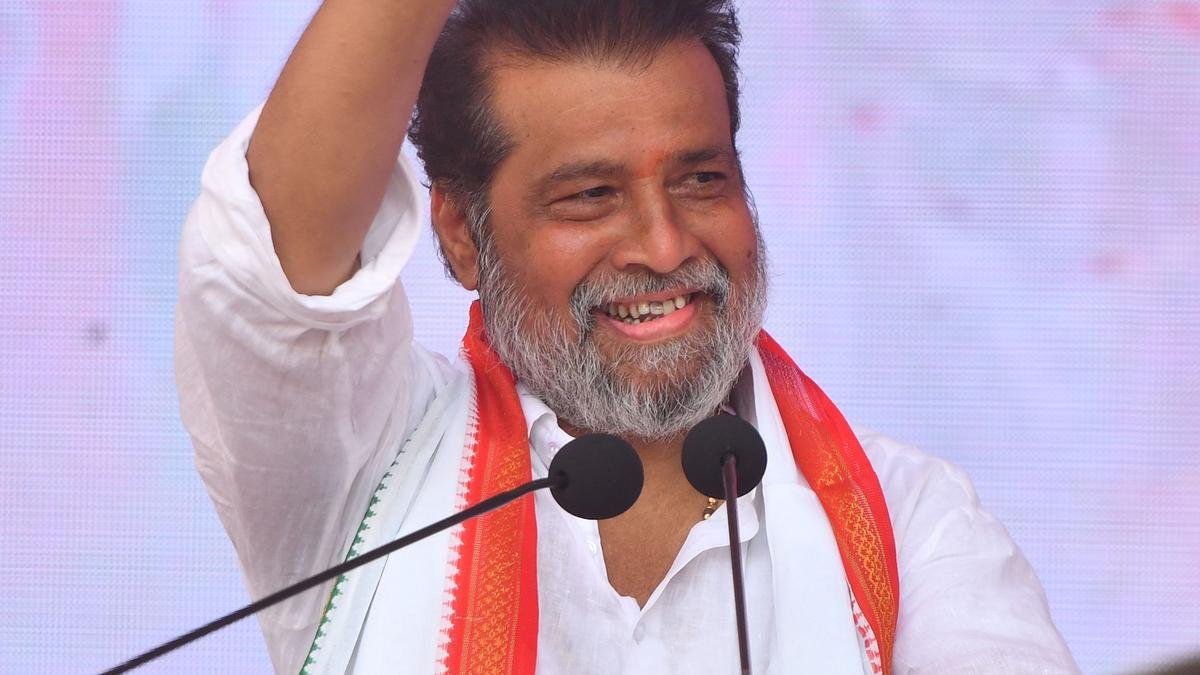
Health Minister: Damodar Raja Narasimha
The Health Department must prioritise an immediate assessment of the building's structural safety and identify the appropriate funds for renovation.
The department should also ensure that essential clinical services, diagnostic facilities and patient amenities are restored.
Hyderabad Member of Parliament
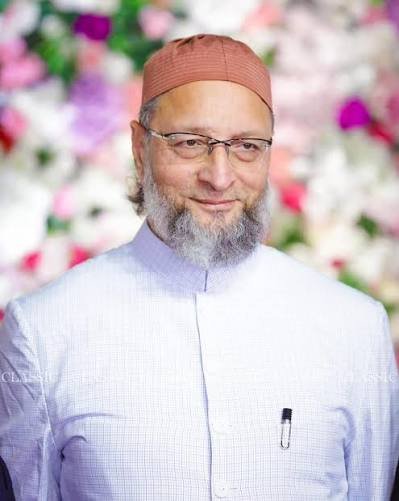
MP: Asaduddin Owaisi
The Hyderabad MP should take up the matter with the relevant authorities, seek a formal status report and examine whether MPLADS funds can support eligible infrastructure works.
The condition of a public healthcare facility within the parliamentary constituency deserves direct attention.
Charminar Assembly Constituency
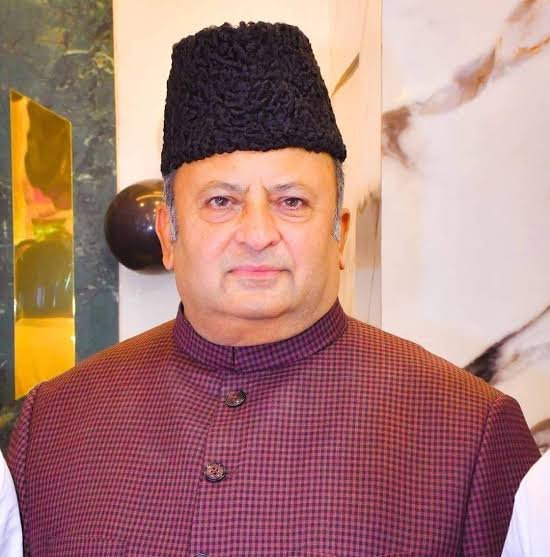
MLA: Mir Zulfeqar Ali
The local MLA should conduct an immediate inspection, raise the issue with the Health Department and examine the availability of constituency development funds for eligible repairs.
Local healthcare infrastructure must remain a priority in constituency development.
District and Municipal Administration
Hyderabad District Collector and relevant GHMC authorities
The district administration should coordinate an engineering inspection, ensure that structural risks are assessed and initiate appropriate action.
Municipal authorities must also address sanitation, drainage, waste management and other civic deficiencies within their jurisdiction.
Preventive action is essential. Authorities should not wait for a building collapse or a preventable tragedy before responding to infrastructure complaints.
A compensation payment after a disaster cannot replace the responsibility to prevent it.
Five Immediate Steps to Restore Darulshifa UPHC
The restoration of the health centre requires a clear, time-bound action plan.
1. Structural Rehabilitation
Conduct an urgent engineering and structural safety audit. Repair damaged ceiling slabs, address exposed reinforcement bars, seal roof leaks and restore weakened walls. If any portion is declared unsafe, patients and staff must be shifted to a safe alternative until repairs are completed.
2. Labour Room and Sanitation Restoration
Rehabilitate the labour and delivery room, restore adequate lighting and ventilation, repair washbasins and washroom fixtures, and undertake comprehensive mosquito-control measures.
3. Electrical Safety and Ventilation
Replace exposed and damaged electrical wiring, inspect the entire electrical system and install functional ceiling fans and lighting across clinical rooms.
4. Digital Infrastructure Restoration
Repair or replace non-functional computer systems and ensure that healthcare staff can process diagnostic reports and maintain digital patient records without unnecessary delays.
5. Financial Transparency and Administrative Accountability
Publish a detailed account of the funds sanctioned, released and spent on the facility. Investigate pending repair proposals and identify the administrative delays responsible for the present condition.
Every repair must have a responsible department, a defined timeline and a publicly accessible progress report.
5. Five Questions the Authorities Must Answer
The people of Darulshifa deserve clear answers, not another round of assurances.
- Has an official structural safety inspection of the building been conducted? If so, what were its findings?
- How much funding has been sanctioned and spent specifically on the maintenance of this UPHC?
- Why are the computer systems and essential diagnostic facilities reportedly non-functional?
- When will the labour room, washrooms and electrical systems be restored?
- Which department and officials are responsible for ensuring that the renovation is completed within a fixed deadline?
These are not political questions. They are questions of public safety, administrative responsibility and the right to accessible healthcare
Conclusion: Public Healthcare Deserves More Than Political Promises
The people of Darulshifa do not need another poster promising a better India. They need a healthcare centre where a mother can bring her child without worrying about falling plaster, where a pregnant woman can access clean sanitation facilities, and where patients can receive essential medical services without unnecessary obstacles.
A public hospital is not merely a building. It is a lifeline for families who cannot afford expensive private healthcare.
The condition of Darulshifa UPHC must therefore be treated as an urgent public safety concern, not another routine maintenance complaint.
The responsibility now rests with the Telangana Health Department, Hyderabad's elected representatives and the relevant district and municipal authorities to act, coordinate and deliver measurable improvements.
Political promises must translate into public services. Budgetary allocations must translate into functioning facilities. And governance must be measured not by what is written on a poster, but by the lives it improves.
Darulshifa deserves a safe hospital. Its people deserve accountability.
MEEM TV NETWORK
Ground Realities. Public Accountability. Independent Journalism.
Ground Report: Syed Safdar Ali Mowsavi
Camera: Syed Ali
This investigation presents observations from an on-ground visit. Financial allocations, expenditure figures, structural safety assessments and departmental responsibilities should be independently verified through official records. Responses from the concerned authorities should be incorporated before final publication.


